

More Than A Game: Football’s Impact Off The Pitch
Football teaches you how to make a cracking tackle, execute the perfect pass, or stick one in the top bins. However, some of the invaluable skills young people learn through the game have little to do with what occurs with the ball.
Every training session and game provides opportunities for players to communicate, work as a unit, take accountability, and respond accordingly when things do not go to plan. These are the skills and lessons learned that lay the foundation for future development.
The qualities that define an ideal teammate are equally as important beyond the pitch. Communication, teamwork, discipline, leadership and resilience all have their place in the workplace, education and training.
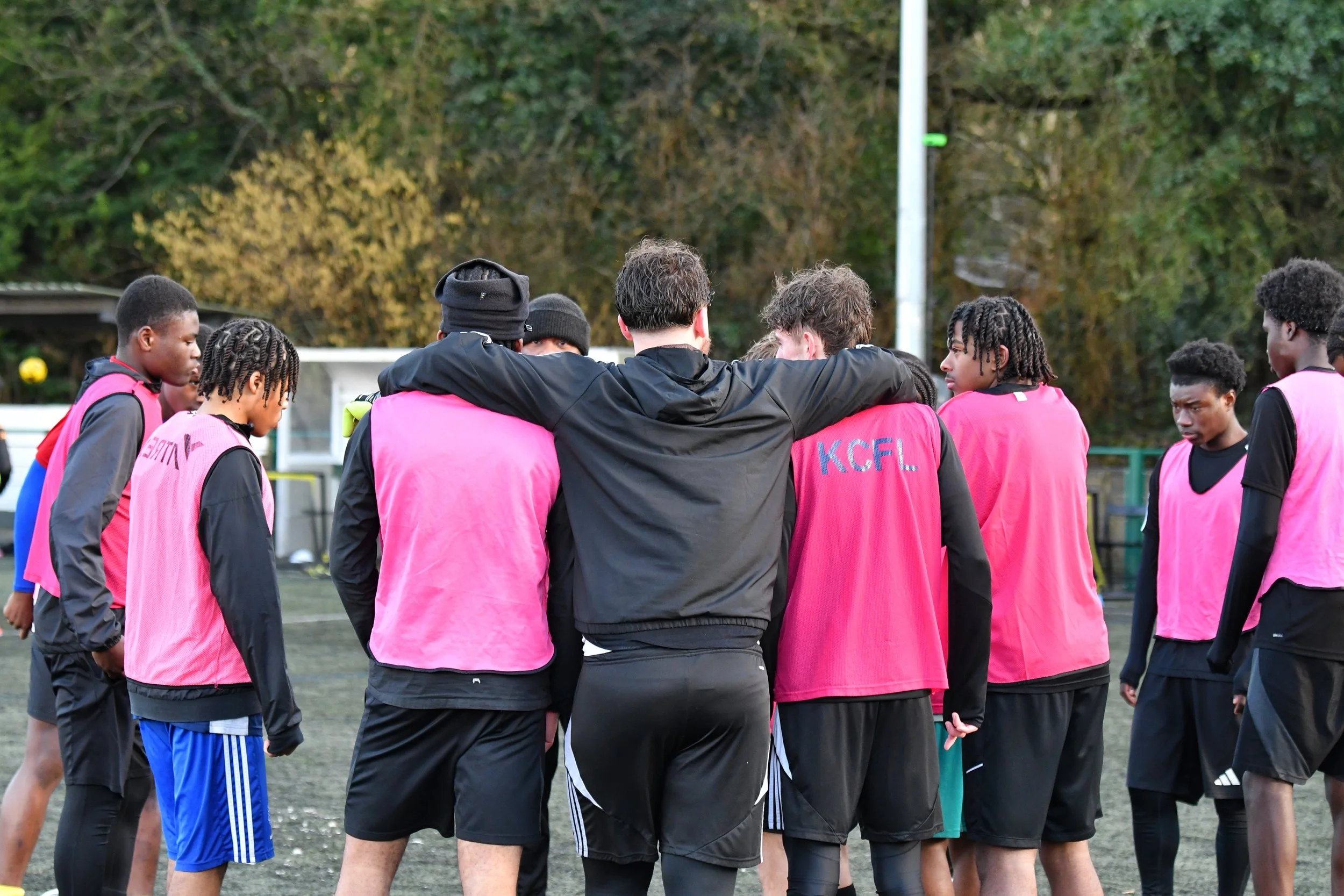
At Kinetic, we believe football can be an incredible tool to prepare young people for their futures, both on and off the pitch. In this article, we look at how these five skills are developed through football and how they can seamlessly translate into the world of work.
COMMUNICATION
Communication is everywhere in football. Players call for the ball, listen to instructions, give feedback, and organise each other on the pitch. Often, this communication is forced under pressure, meaning it must be both clear and quick.
In football, communication is not just about being the most vocal on the pitch. Young people learn when to speak and listen, and how to get their messages across different teammates or coaches. Body language and responding to non-verbal cues is just as crucial as players will acquire the skill of how to recognise if, and when, a teammate needs support or reacting to creating movements around them during a game. As time progresses, these situations become frequent opportunities for players to develop their confidence, expressing themselves and communicating as part of a group and team.
The FA identifies both verbal and non-verbal communication and listening as social skills that can be refined through football. This is also supported by research from Kurak and Acak, which concluded that communication was one of the key life skills associated with young people’s participation in football.
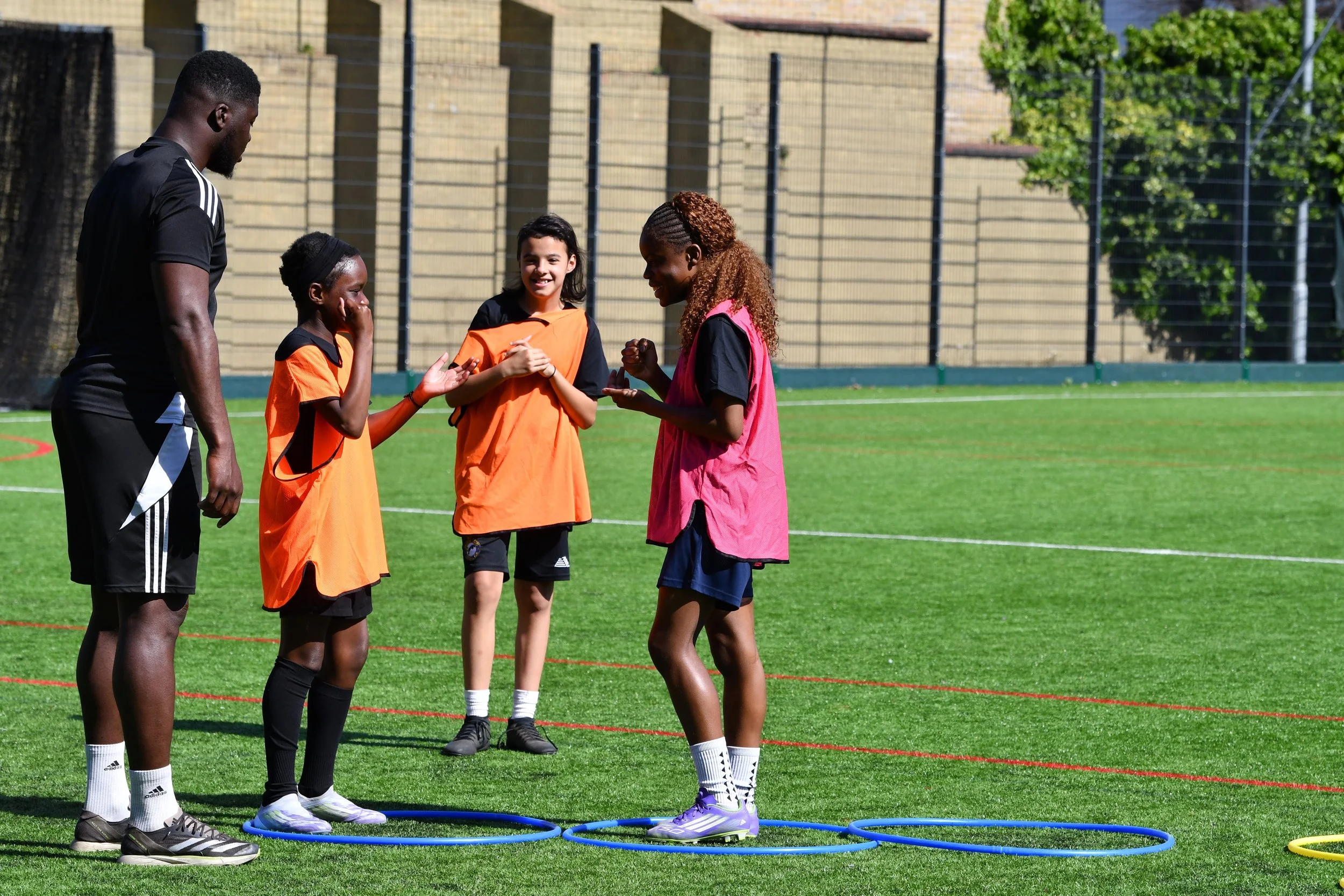
These experiences are an asset beyond the football pitch. In a professional setting, communication could mean contributing to an important meeting, speaking to a customer or having the confidence to ask for help. The environment is different, but the ability to listen, understand others and communicate clearly remains the same.
TEAMWORK
There are 11 players on a football pitch, who each have a different role to carry out - but all have one shared goal, which is to win. However, this is only possible when each individual player works together as a unit and a team.
Being a good footballer or teammate is not always about being a standout superstar player. It can mean, covering a left back that has gone on a run up the pitch, standing near the goal if the keeper has gone out to make a save, or selflessly passing the ball to someone in a more open position instead of shooting yourself. Adapting your game for the benefit of the team or trusting someone else to do their role is a huge part of football. Young players learn that their own performance often affects those around them, and they need to think about the rest of the team and work with them to achieve their common goal.
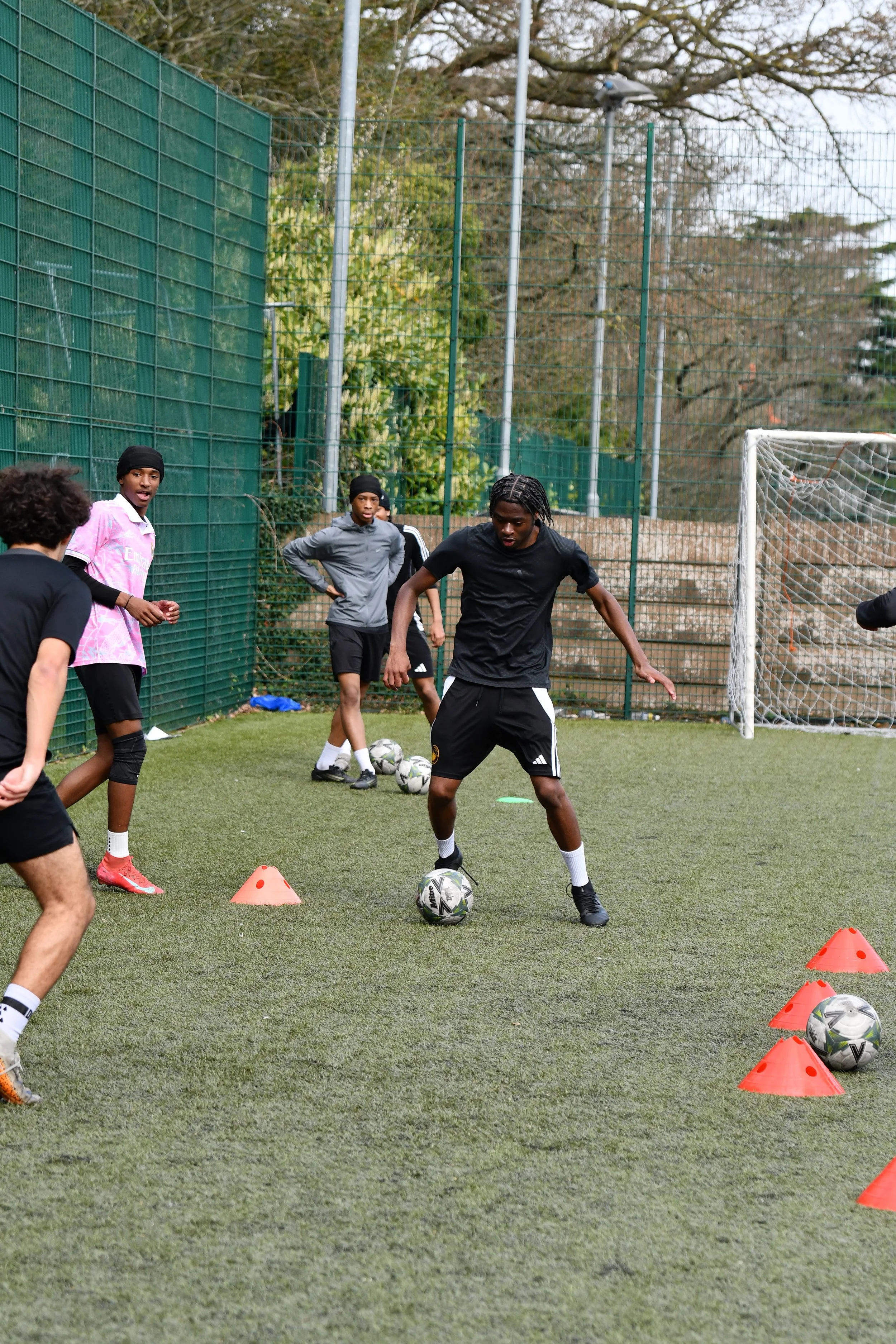
The longer that young people spend as part of a football team, the more opportunities there are to practise these behaviours. Research by Kurak and Acak into 12–17-year-old footballers identified teamwork as one of the life skills developed among participants. They also found differences depending on factors including how long they had continuously played within a team setting. This suggests the value of teamwork does not just come from playing the game itself, but from repeatedly experiencing what it means to be a part of a team.
There are clear parallels with teamwork in football and teamwork surrounding employment and the workplace environment. Like a football team, a team at work brings together people with different responsibilities, strengths, and personalities who balance each other out and depend on each other in order to achieve a shared outcome. Knowing when to step up, when to support a teammate, and how your own actions affect the wider team are lessons that are learnt through football long before a young person enters their first job.
LEADERSHIP
When leadership is brought up in football, most people will usually assume that the captain of the team is the only player where this skill is required. Yet leadership happens across the pitch, from the goalkeeper, to the striker, to those on the bench.
Players need to encourage others when people’s heads drop in a game, take responsibility after making an error or mistake, set the standard in training to transfer into games, or help a new player settle into the team. Acts of leadership are seen in every aspect of football and the game gives these young players the chance to step up in ways they might not even recognise as leading.
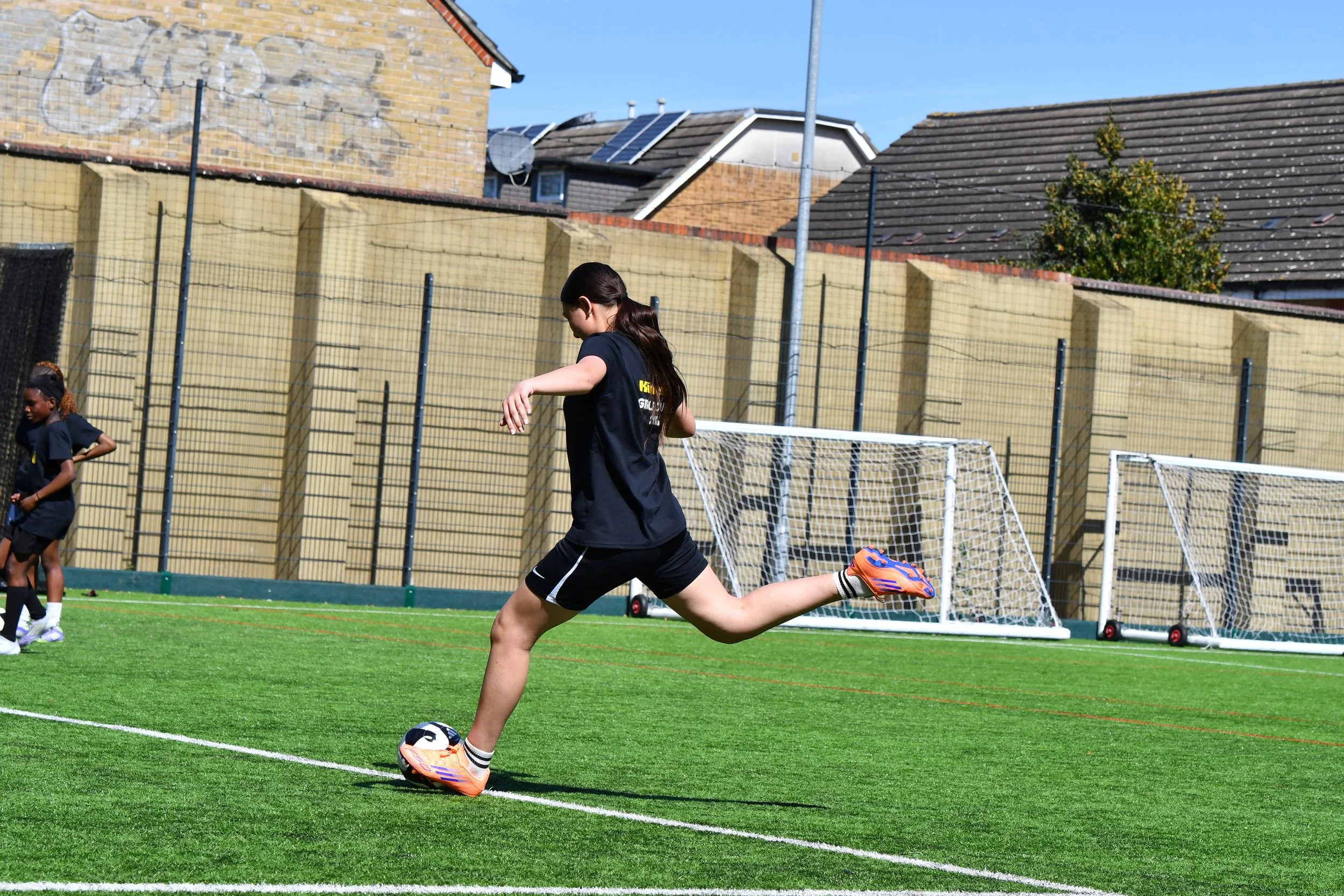
Again, this is reflected in the FA’s work on life skill development through football, which amplifies the taking accountability and aiding and supporting younger or less experienced players as ways that leadership can be advanced on the field. Rather than leadership being something reserved for one person, football creates moments where any player can influence and support the people around them.
This is vital for when young people start thinking about employment. Leadership in an entry-level job is very unlikely to mean directly managing a team of people. Instead, a young person may be required to take initiative rather than waiting to be asked, helping a colleague who is struggling or being confident enough to take responsibility for a particular task. Even though this is beyond the pitch, the willingness to set up does not change regardless of the setting.
RESILIENCE
Conceding an early goal, not making the starting XI, missing a penalty or being released from an academy – football comes with an array of moments that some players would much rather forget.
Young players must learn how to respond when things do not go their way within the game and sport itself. Resilience is such an essential attribute for football players to possess as one difficult moment or unfair decision cannot define the rest of their performances. Players must learn how to manage mistakes, shift disappointment and regain their focus, a lot of the time during the 90 minutes on the pitch.
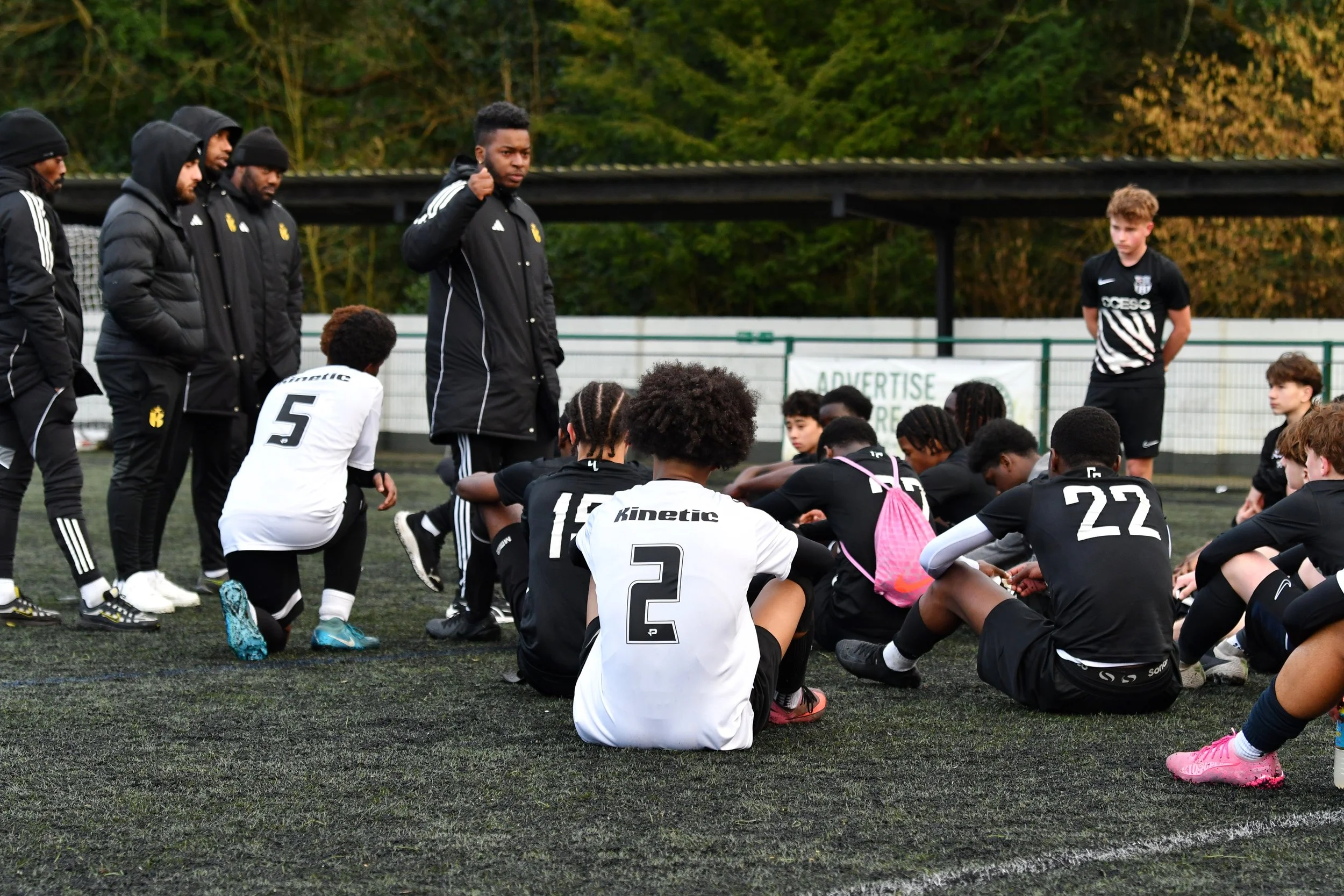
The ability to maturely respond to setbacks is one of the reasons the skills progressed through football can have such value beyond the game. Hartpury University’s research into former professional academy players, identified adaptability as one of the four key areas of transferable development. This includes the resilience required to deal with the uncertainty and challenges that accompany a football environment, again highlighting how significant this skill really is.
DISCIPLINE
All footballers know that there is so much behind the scenes of the 90 minutes that you see on the pitch. There are early starts, long evenings, cold training sessions, fitness drills and off days where turning up might be the last thing a player feels like doing.
Football requires consistency and players are expected to be punctual, organised and dedicated to commit to training week after week. A key thing in football is patience as nobody becomes the next Jude Bellingham overnight, progress comes from repeatedly putting in the hard work.
The FA identifies commitment, determination and hard work as elements of discipline that can be honed through football, alongside organisational skills such as time management. For a young person balancing football with education, other hobbies, and general life outside of school or the game, those responsibilities can provide an early opportunity to learn how to manage and adapt to meet expectations.
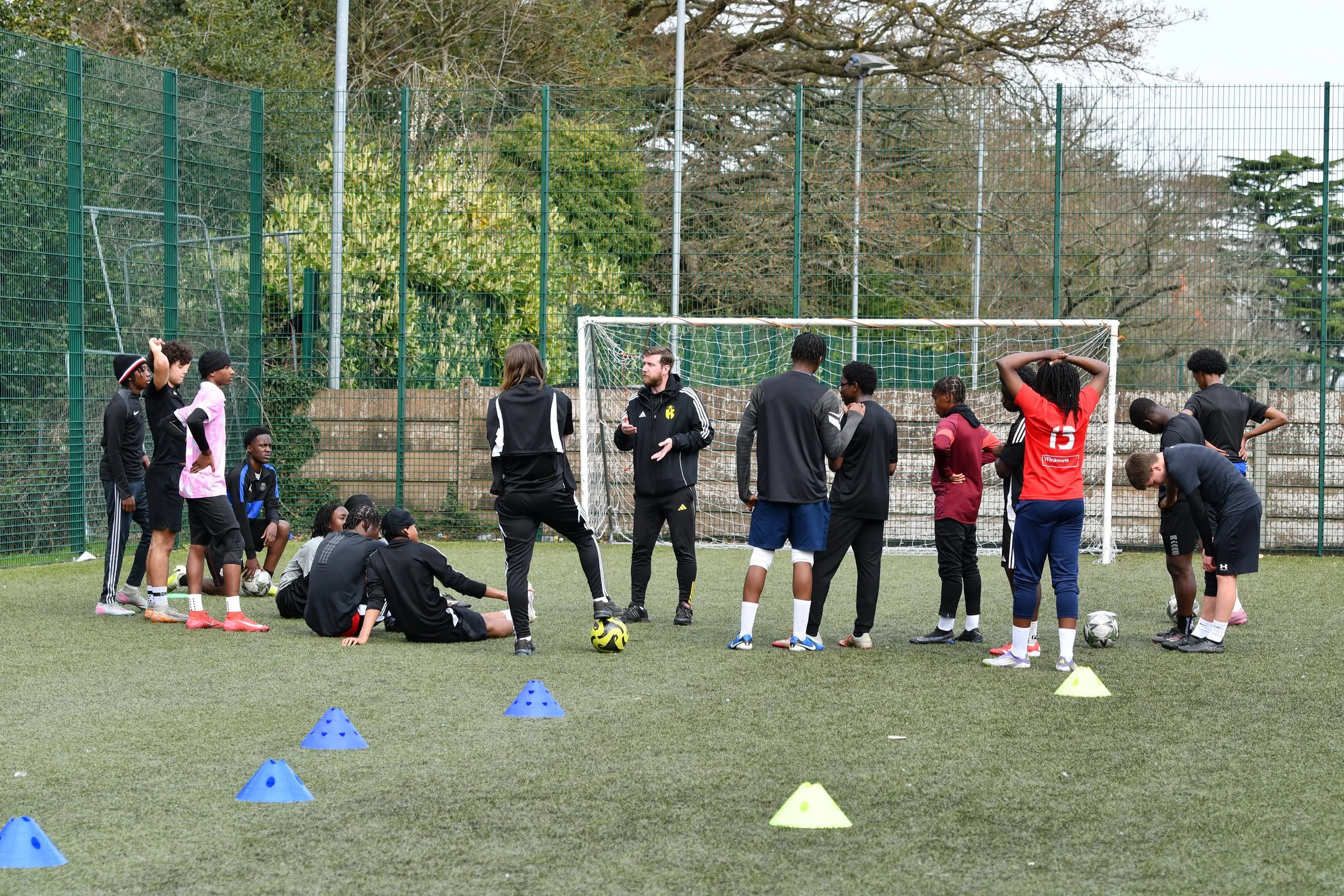
Although football is structured differently to a workplace, there are still habits that will be able to be transferred from the game. Arriving on time, meeting deadlines and being prepared to complete a task even when it isn’t the most exciting part of the job all require the same sort of consistency and discipline.
Talent is what a player may get noticed for on the pitch, but discipline is what keeps that same player turning up week in week out and the same can be true for work.

For some young people, football may not become their final career, but that doesn’t mean what they learn through the game gets left behind as soon as the whistle blows.
The experiences that accompany being a part of a football team help develop skills, habits and behaviours that have value in settings outside of sport. The challenge is ensuring young people recognise those strengths in themselves and understand how they can use them in different environments.
At Kinetic, football is the vehicle we use to engage young people and create opportunities for development that stretch beyond the game itself. Success isn’t only about what a young person achieves on the pitch, it’s about where the communication, leadership, teamwork, discipline and resilience they build can take them next.